
On Chestnuts


Painted by Emperor Huizong of Song 宋徽宗 (1082-1135, ruling 1100-1126), with an inscription by the Qianlong Emperor 乾隆 (1711-1799, ruling 1735-1796)
Image credit: National Palace Museum, Taipei
滿院秋風金氣披,
亞蓬栗子熟垂垂。
設云隠寓危懼意,
吾謂宣和未此思。
An autumn wind fills the courtyard cloaked in a golden tint.
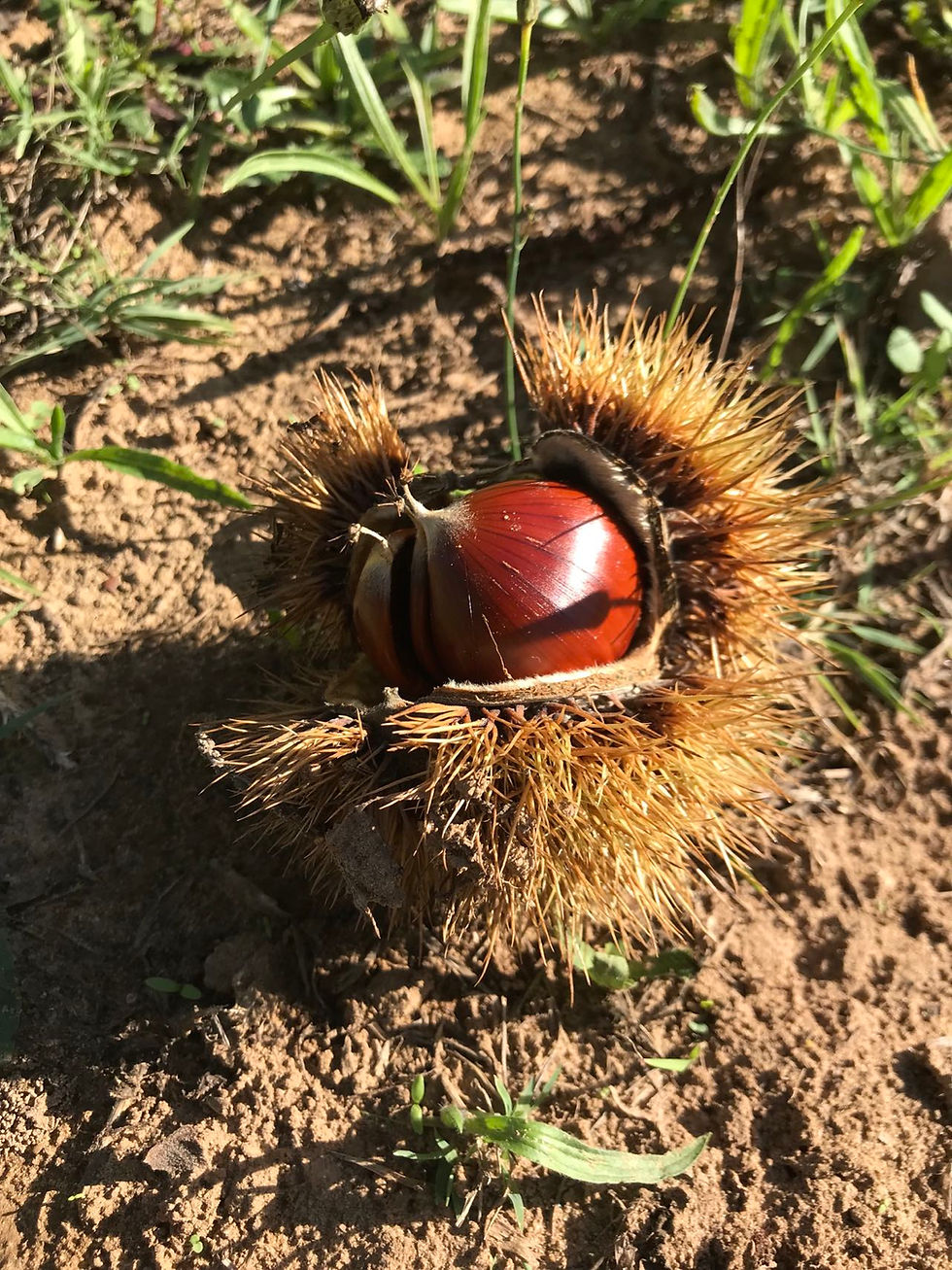
Chestnuts are weighed down in their spiky shells, ripe and heavy.
[Some] presume a hint at danger and fear,
[Yet] I say Xuanhe had no such thought.[1]
[1] Xuanhe is the era name for the period from 1119 to 1125 and here refers to Emperor Huizong of Song, an accomplished artist and the painter of this image. The Jurchens invaded the Song during the Xuanhe era, leading to Emperor Huizong’s abdication in favour of his eldest son. In 1127, the Jurchens eventually conquered the capital of the Song and took Huizong and his son as captives to the north. For a viewer who associates this chestnut image with that historical episode, the branch with weighty, bursting shells may be interpreted as an omen for the fall of the Song, whereas the poet, the Qianlong Emperor, seems to imply an alternative interpretation, possibly taking it as a depiction of a joyful harvest.


Comments